Join Our Lunch & Learn: How Agentic AI Will Transform Industrial Operations | Register Now →
.svg)
July 6, 2026
4 Mins
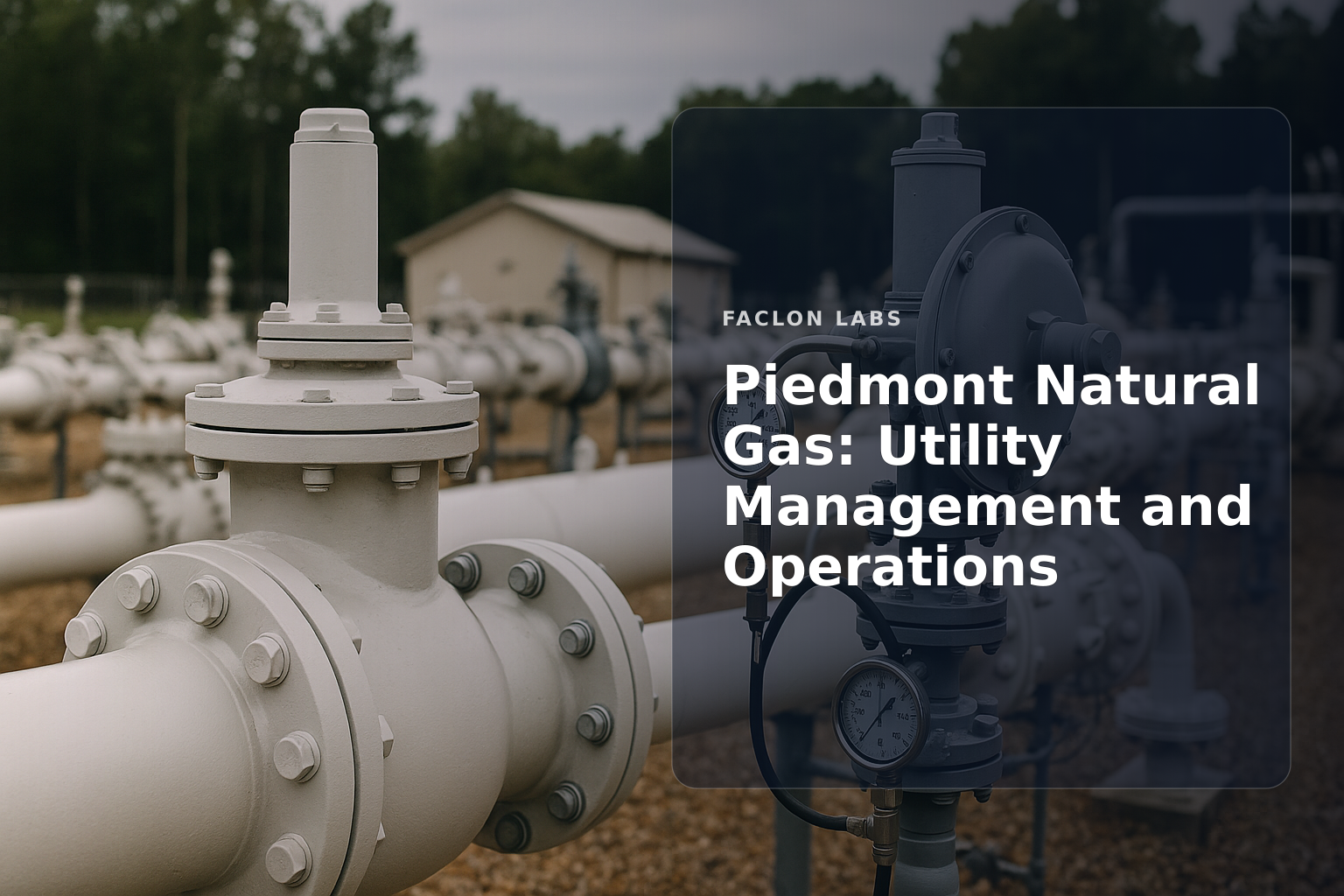
Piedmont Natural Gas plays a critical role in the energy infrastructure of the southeastern United States. As a regulated utility, it delivers natural gas to diverse customer segments, supporting everyday residential needs as well as large-scale industrial operations. Understanding how Piedmont Natural Gas manages its operations provides insight into the complexities of utility management and the importance of reliable energy delivery.
This post explores the core functions and operational aspects of Piedmont Natural Gas, highlighting its infrastructure, customer engagement, and regional impact.
Piedmont Natural Gas Company, Inc. is a natural gas distribution company that sells and transports natural gas to a broad customer base. It is one of the principal utilities in the southeastern U.S., known for its extensive service network and commitment to safety and reliability.
The company serves customers primarily in three states:
This geographic focus allows Piedmont to tailor its operations to the specific energy demands and regulatory environments of these states.
Piedmont Natural Gas caters to a variety of customers, including:
Each segment has distinct energy needs and service requirements, influencing how Piedmont manages its supply and infrastructure.
Natural gas delivery starts from supply sources and moves through an interconnected pipeline system to reach end users. Piedmont Natural Gas operates and maintains this pipeline network to ensure consistent and safe gas flow.
Infrastructure upkeep is vital for preventing leaks, maintaining pressure, and meeting growing demand. Piedmont invests in regular inspections, repairs, and expansion projects to adapt to service area growth and evolving safety standards.
Safety protocols are embedded throughout Piedmont’s operations, including:
These measures minimize risks associated with natural gas distribution and protect communities served by the utility.
Piedmont Natural Gas employs a "best cost" gas purchasing policy, sourcing natural gas from various suppliers to optimize cost efficiency while ensuring supply reliability. Storage facilities help balance supply and demand fluctuations, especially during peak usage periods.
Continuous monitoring of gas flow and pressure is critical to maintaining system stability. Advanced control systems and real-time data analytics enable Piedmont to detect anomalies and adjust operations proactively.
In case of disruptions—such as extreme weather or equipment failures—Piedmont activates emergency response plans that prioritize rapid service restoration and customer safety. Coordination with local authorities and clear communication channels are part of these protocols.
Piedmont offers various service plans and payment options tailored to customer needs. Residential customers can access budget billing and energy-saving programs, while commercial clients receive customized solutions aligned with their operational demands.
Customers can reach Piedmont Natural Gas through multiple channels:
These channels provide billing information, outage updates, and service requests, enhancing customer convenience.
Piedmont actively participates in community education about natural gas safety and energy efficiency. Outreach programs foster public awareness and build trust between the utility and its service areas.
By reliably supplying natural gas, Piedmont supports local industries and power generation facilities, which are essential drivers of regional economic growth and job creation.
Natural gas serves as a key component of the energy mix, complementing renewable sources and helping to reduce carbon emissions compared to other fossil fuels. Piedmont’s infrastructure enables efficient energy delivery that supports grid stability.
While the energy sector evolves toward sustainability, natural gas utilities like Piedmont are adapting through infrastructure modernization and integration with emerging technologies. Their role remains vital in providing flexible, reliable energy during the transition.
| Aspect | Description |
|---|---|
| Service Area | North Carolina, South Carolina, Tennessee |
| Customer Types | Residential, Commercial, Industrial, Power Generation |
| Core Operations | Gas procurement, pipeline maintenance, emergency response |
| Customer Support Channels | Online, Phone, Social Media |
| Safety Measures | Pipeline inspections, regulatory compliance, emergency drills |
Advanced Gas Leakage Detection for Industrial Facilities Optimizing Industrial Burner Management Systems for Efficiency Understanding Energy Consumption in Industrial Plants
For plant operations leaders seeking to understand regional utility management, Piedmont Natural Gas exemplifies how a major natural gas distributor balances operational complexity with customer service and safety. Exploring their model can inform how industrial facilities interact with and depend on natural gas utilities.
Piedmont Natural Gas primarily provides natural gas distribution services to residential, commercial, industrial, and power generation customers. This includes managing the infrastructure for gas delivery, ensuring supply, and offering customer support for billing and service inquiries.
Piedmont Natural Gas operates across portions of North Carolina, South Carolina, and Tennessee, serving over one million customers in these regions.
Piedmont Natural Gas ensures service reliability through continuous monitoring of its pipeline network, regular maintenance, proactive infrastructure upgrades, and a robust emergency response system for any service interruptions or safety concerns.