Join Our Lunch & Learn: How Agentic AI Will Transform Industrial Operations | Register Now →
.svg)
September 21, 2026
6 Mins
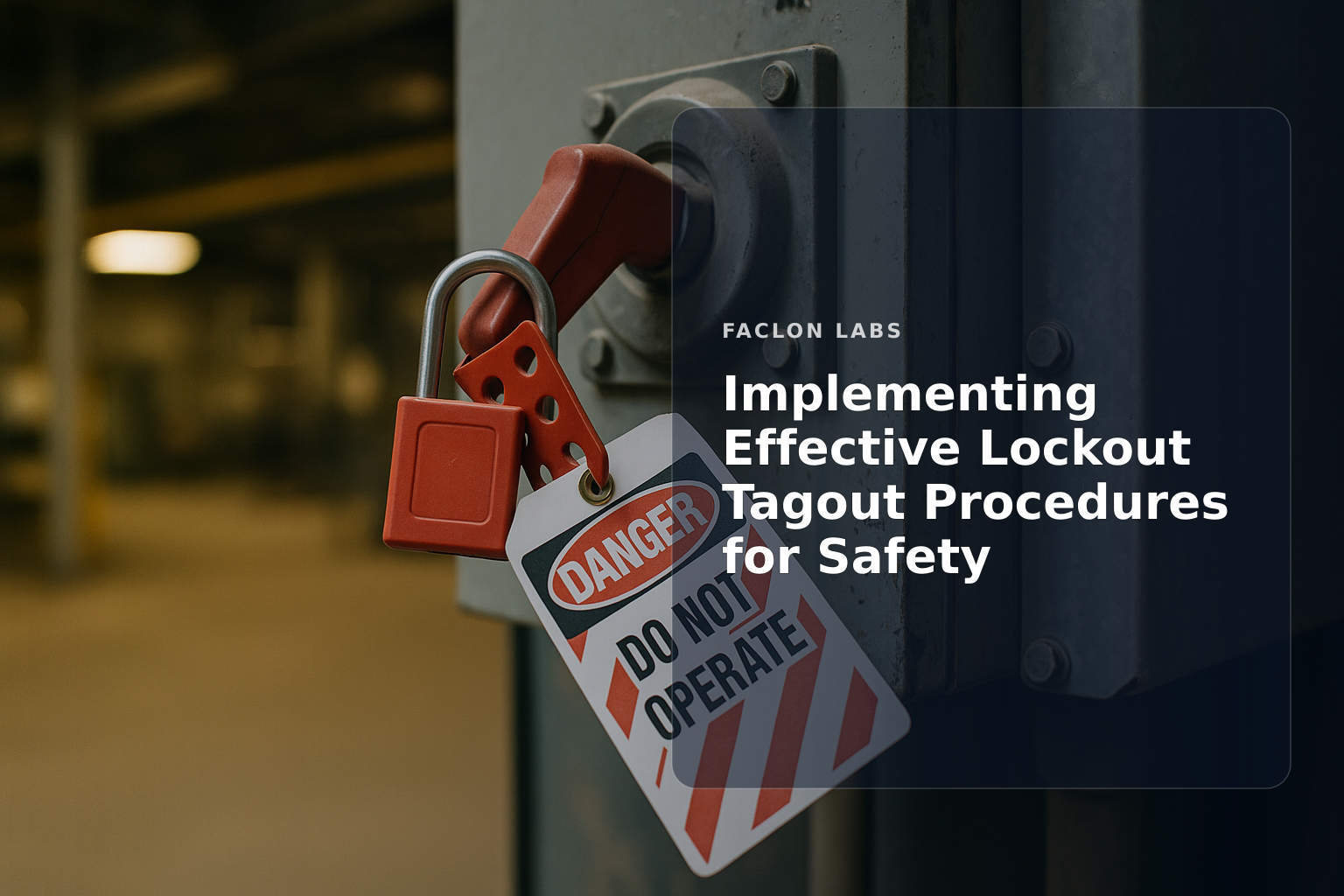
Tag out lock out is a safety protocol designed to protect workers from hazardous energy during equipment servicing or maintenance. By physically locking and tagging energy-isolating devices, this procedure prevents accidental energization or startup that could cause injury.
Industrial plants contain multiple hazardous energy sources such as electrical, mechanical, hydraulic, pneumatic, chemical, and thermal energies. Properly managing these risks is essential for worker safety and regulatory compliance with OSHA standards.
Begin by conducting a thorough survey of all machines and equipment to identify every source of hazardous energy. This includes primary power supplies, stored energy, and secondary energy sources that could pose risks during maintenance.
Create a comprehensive plan outlining the procedures for isolating each identified energy source. The plan should specify the types of lockout devices to use, tagging requirements, and step-by-step isolation methods.
Designate qualified personnel responsible for implementing and overseeing the lockout tagout process. Clear accountability ensures procedural adherence and timely communication.
Notify all personnel who operate or work near the equipment about the planned shutdown and lockout. This communication prevents surprises and ensures everyone understands the safety measures in place.
Follow manufacturer guidelines and internal protocols to safely power down equipment before applying lockout tagout devices.
Record the shutdown steps and confirmation to maintain traceability and support audits or incident investigations.
Physically disconnect or isolate each identified energy source using lockout devices such as padlocks, circuit breaker locks, valve covers, or plug locks designed for industrial use.
Attach durable locks and standardized tags that clearly state the reason for lockout, the responsible person’s name, and contact information. Tags must warn others not to energize the equipment.
Confirm that energy sources are effectively isolated by attempting to operate controls or using testing instruments to ensure no power or motion is possible.
Stored energy in springs, capacitors, hydraulic accumulators, or elevated machine parts must be safely discharged or mechanically restrained to prevent unexpected movement.
Use appropriate testing tools to verify that all energy has been released and the equipment is in a zero-energy state before beginning work.
Implement standardized checklists to systematically verify each isolation step and maintain documentation for compliance and continuous improvement.
Ensure that maintenance personnel begin work only after all lockout tagout steps are confirmed and verified.
Keep open lines of communication among workers, supervisors, and safety officers to quickly address any concerns or hazards during servicing.
Track the maintenance activity, noting any deviations, issues, or near misses to inform future safety improvements.
Before restoring power, verify that all tools, parts, and personnel are clear from equipment and hazards.
Inform all workers that lockout tagout devices will be removed and equipment re-energized.
Only the authorized person who applied the lockout devices should remove them, following a strict verification process.
Power up equipment gradually while monitoring for abnormal conditions to ensure safe resumption of operations.
A conveyor system typically involves electrical power, stored mechanical energy in rollers, and pneumatic actuators. Each presents specific isolation challenges.
| Tool Type | Purpose | Example |
|---|---|---|
| Lockout devices | Physically isolate energy sources | Padlocks, valve lockouts |
| Durable tags | Provide warnings and accountability | OSHA-compliant vinyl or plastic tags |
| Verification checklists | Ensure procedural compliance | Step-by-step isolation and testing |
| Training tracking systems | Maintain worker competency records | Digital LMS with LOTO modules |
| Incident tracking tools | Monitor and analyze safety incidents | Safety management software |
Regular audits and incident tracking help identify gaps and improve lockout tagout programs continuously. Training ensures all personnel understand procedures and regulatory requirements Understanding Energy Consumption in Industrial Plants.
Tag out lock out refers to a safety procedure where energy-isolating devices are locked in the off position and tagged with warning labels to prevent accidental equipment startup during service or maintenance.
Tagout is used when energy-isolating devices cannot be physically locked. It relies on warning tags alone but requires additional safety measures and management approval due to higher risk.
Compliance requires following OSHA standard 1910.147, which mandates written procedures, employee training, periodic audits, and the use of proper lockout/tagout devices to control hazardous energy.
Improper lockout tagout can lead to unexpected equipment startup, causing serious injuries or fatalities from electrical shock, mechanical crushing, or chemical exposure [Control of Hazardous Energy (Lockout/Tagout) - Overview].
Implementing a robust lockout tagout program is essential to protect your workforce and maintain regulatory compliance. Start by assessing your plant’s energy sources and develop a tailored plan that integrates reliable lockout devices, clear tagging, and thorough verification. For more on industrial safety and operational excellence, explore our resources on What is Industrial Maintenance and Why It Matters and Spire Energy: Smart Utility Management Solutions.
Tag out lock out refers to safety procedures that isolate and secure hazardous energy sources to prevent accidental equipment startup during maintenance or servicing, protecting workers from injury.
A tagout system is used when energy-isolating devices cannot be physically locked out, and only with proper approval and additional safety measures to ensure equipment remains de-energized.
Effectiveness is verified by testing equipment to confirm zero energy state, using checklists, conducting audits, and ensuring all locks and tags are properly applied and documented.
Failure to follow procedures can lead to unexpected equipment startup, release of hazardous energy, severe injuries, fatalities, and regulatory penalties.
Proper compliance reduces downtime caused by accidents, improves worker safety, ensures regulatory adherence, and can enhance overall operational efficiency by preventing incidents.