Join Our Lunch & Learn: How Agentic AI Will Transform Industrial Operations | Register Now →
.svg)
August 25, 2026
4 Mins
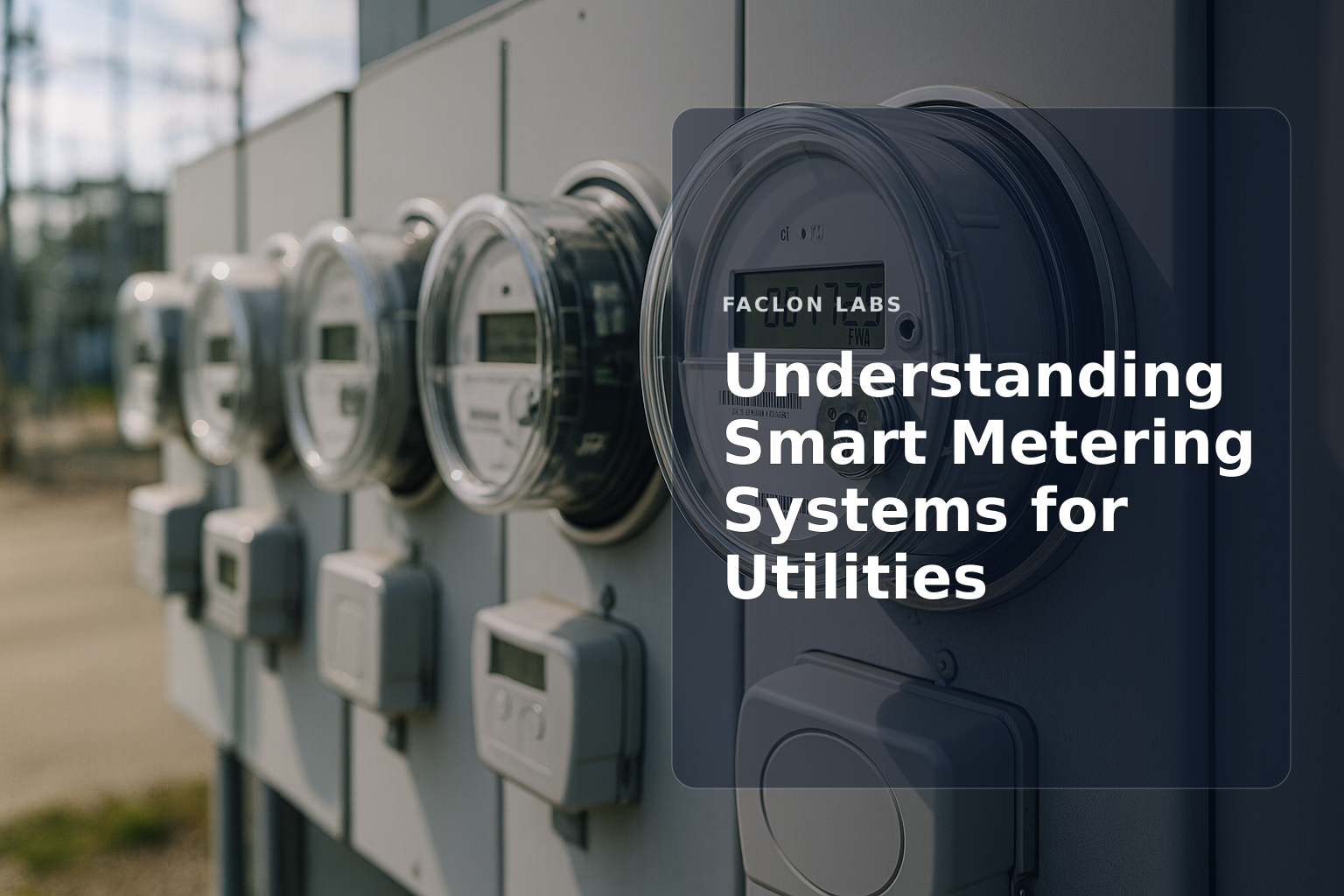
Metering systems are foundational to how utilities monitor and manage resource usage. As utilities face increasing demands for accuracy, efficiency, and sustainability, understanding the evolution from traditional to smart metering systems is critical. This knowledge helps plant operations leaders and utility managers make informed decisions about infrastructure investments and operational improvements.
A metering system traditionally consists of mechanical or electronic meters that measure the consumption of utilities such as electricity, water, gas, or heat. The primary purpose is to quantify usage for billing, resource management, and regulatory compliance. These systems often rely on manual readings taken periodically by utility personnel.
Metering systems track a variety of resources, including:
Accurate metering underpins utility revenue through precise billing and supports operational planning. It also helps detect leaks, losses, or inefficiencies, ensuring resources are allocated and consumed responsibly.
Smart metering systems automate the collection, processing, and transmission of consumption data. This reduces errors and labor costs associated with manual meter reading.
Unlike traditional meters, smart meters:
Smart metering enhances billing precision, reducing revenue losses from inaccurate readings or theft. It also helps identify non-revenue water or energy losses, a significant challenge for utilities worldwide.
Remote data collection enables utilities to monitor system health in real time, detect faults, and reduce downtime without dispatching field crews unnecessarily.
Granular consumption data supports demand response programs and load balancing, helping utilities optimize grid performance and defer costly infrastructure upgrades.
Detailed consumption profiles empower utilities to make data-driven decisions on maintenance, resource allocation, and customer engagement.
| Benefit Category | Utility Impact | Consumer Impact |
|---|---|---|
| Billing Accuracy | Reduced revenue leakage | Transparent and fair billing |
| Operational Efficiency | Lower field service costs | Fewer service interruptions |
| Data Insights | Improved asset management | Access to consumption analytics |
| Sustainability | Supports regulatory compliance | Encourages responsible usage |
Submetering involves installing meters downstream of the main utility meter to measure consumption in specific areas or tenants, commonly used in multi-tenant buildings or industrial zones to allocate costs accurately.
System-level metering focuses on measuring resource use in building subsystems such as HVAC, lighting, or water heating. This helps identify inefficiencies within specific systems.
Submetering enables targeted energy management strategies and fair cost distribution, driving efficiency improvements and tenant accountability.
Successful deployment requires careful planning of meter placement, communication infrastructure, and integration with existing systems. Commissioning should verify that meters meet accuracy and regulatory standards.
Regular calibration ensures meters maintain precision over time, complying with industry standards and legal requirements. Calibration methods vary by resource type and meter technology.
| Implementation Phase | Key Activities | Objectives |
|---|---|---|
| Design | Site assessment, meter selection | Ensure system suitability |
| Installation | Physical mounting, network setup | Achieve reliable connectivity |
| Commissioning | Functional testing, calibration | Verify accuracy and compliance |
| Operation & Maintenance | Data monitoring, periodic calibration | Sustain performance and trust |
Understanding smart metering systems is vital for utilities aiming to improve accuracy, efficiency, and sustainability. To explore how industrial AI and IIoT platforms can help integrate and optimize your metering infrastructure, connect with Faclon Labs for expert guidance.
Advanced Gas Leakage Detection for Industrial Facilities Understanding Energy Consumption in Industrial Plants Understanding Energy Consumption in Industrial Plants
Metering systems are technologies used to measure and record the consumption of resources such as electricity, water, gas, or heat. They are crucial for accurate billing, resource management, and operational efficiency in utility sectors.
Smart metering systems work by using digital meters to automatically collect consumption data, which is then transmitted wirelessly (e.g., via cellular, radio frequency, or power line communication) to a central data management system. This enables real-time monitoring, remote control, and advanced analytics.
Submetering involves installing additional meters beyond the main utility meter to measure consumption within specific areas, tenants, or systems of a larger property. It's important for fair cost allocation, identifying inefficiencies, and promoting conservation at a granular level.
For utilities, smart meters offer benefits such as improved billing accuracy, reduced operational costs through remote readings, faster outage detection, enhanced grid management capabilities, and better data for demand forecasting and resource planning.