Join Our Lunch & Learn: How Agentic AI Will Transform Industrial Operations | Register Now →
.svg)
September 14, 2026
5 Mins
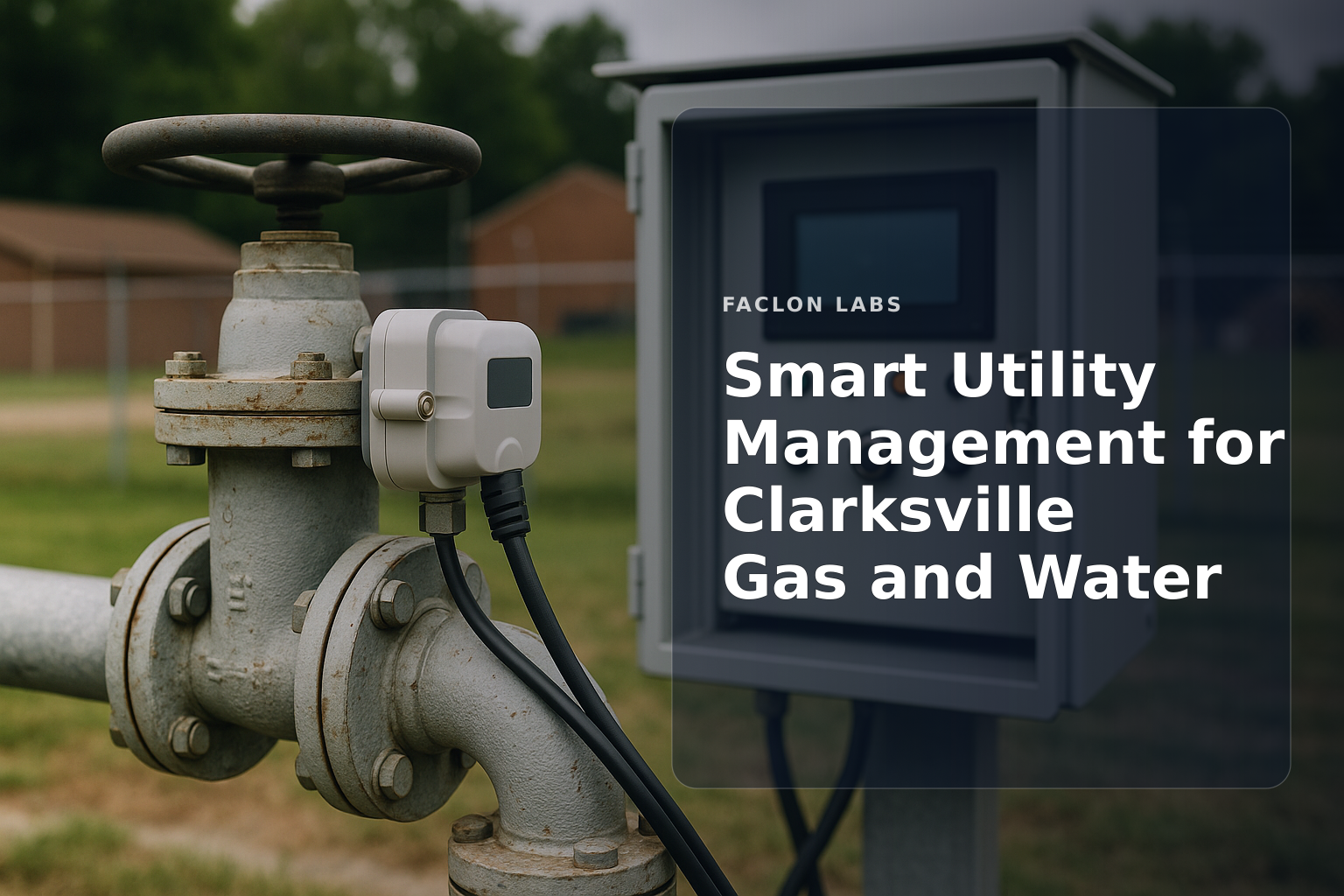
Smart utility management represents a transformative approach for municipal service providers like Clarksville Gas and Water. By leveraging modern technologies such as IoT, artificial intelligence, and data analytics, utilities can shift from reactive maintenance to proactive operations, ensuring safer, more efficient delivery of natural gas, water, and wastewater services. This evolution is crucial for addressing infrastructure challenges and meeting growing consumer expectations.
As Clarksville Gas and Water serves a diverse and expanding population, adopting smart management systems enables better resource stewardship and enhanced customer experiences. Understanding the components and benefits of smart utility management lays the foundation for appreciating how these innovations impact both the utility and its customers.
Smart utility management involves the use of connected technologies and data-driven tools to monitor, control, and optimize utility infrastructure and services. For municipal utilities, this means integrating digital sensors and automation to manage natural gas, water, and wastewater systems more effectively.
Instead of responding to failures after they occur, smart utilities anticipate problems and address them before service interruptions, reducing downtime and repair costs.
Smart management extends infrastructure life, optimizes water and gas usage, reduces waste, and minimizes environmental footprint, supporting sustainable community growth.
Clarksville Gas and Water delivers natural gas, potable water, and wastewater services to Clarksville-Montgomery County residents. The utility emphasizes safe, reliable, and affordable service to approximately 180,000 people in the region.
Ensuring continuous, secure utility services is critical for public health, economic development, and quality of life for Clarksville citizens.
Customers can manage accounts, pay bills online, and report emergencies via multiple channels, including phone, email, and dedicated portals. These touchpoints are essential for maintaining transparency and responsiveness.
Predictive maintenance powered by AI identifies equipment likely to fail, allowing timely repairs that avoid costly emergency interventions.
Real-time sensor data helps quickly pinpoint leaks in water and gas networks, reducing water loss and safety risks.
Data-driven insights enable better scheduling of maintenance crews and allocation of materials, minimizing downtime and excess inventory.
Smart systems provide early warnings of system stress or failures, enhancing the utility’s ability to maintain uninterrupted service.
Automated data collection through advanced metering infrastructure (AMI) improves billing accuracy and enables customers to monitor their consumption patterns.
| Component | Function |
|---|---|
| Advanced Metering Infrastructure (AMI) | Provides accurate, real-time consumption data. |
| Sensor Networks | Monitor pressure, flow, and quality continuously. |
| Data Platforms and Analytics | Aggregate and analyze data for operational insights. |
| AI-driven Predictive Models | Forecast maintenance needs and demand fluctuations. |
| Integration with GIS and SCADA | Combines smart data with existing control and mapping systems. |
AMI replaces manual meter readings with automated, frequent data collection, improving accuracy and enabling dynamic billing.
Sensors installed throughout pipelines and treatment facilities provide continuous health checks on system parameters.
Centralized platforms collect sensor data, transforming it into dashboards and alerts that inform operational decisions.
Machine learning algorithms analyze historical and real-time data to predict equipment failures and optimize resource use.
Smart utility components work alongside geographic information systems (GIS) and supervisory control and data acquisition (SCADA) to provide a unified operational view.
A clear roadmap aligning technology investments with utility goals ensures seamless integration and measurable benefits.
Rolling out smart systems in stages minimizes service disruptions and allows iterative learning and adjustment.
Equipping staff with skills to operate and maintain smart technologies is essential for success.
Tracking performance metrics and cost savings validates investments and supports continuous improvement.
Collaborations with technology providers and government agencies can facilitate funding, expertise, and innovation.
| Purpose | Contact Details |
|---|---|
| Customer Service | Phone: 931-645-7400 or Toll-Free: 888-800-4020 |
| gasandwater@cityofclarksville.com | |
| Emergency After-Hours | Phone: 931-645-0116 |
| Physical Office | 2215 Madison Street, Clarksville, TN 37043 |
| Office Hours | Monday–Friday, 8:00 AM to 4:30 PM |
Customers can access billing, payment, and account management via the official website billing portal, enabling convenient self-service.
For more details on smart infrastructure and utility analytics, explore Understanding Energy Consumption in Industrial Plants, Benefits of Automated Maintenance Services for Industrial Plants, and Choosing the Right Data Analysis Tool for Industrial Operations.
Smart utility management is a vital step forward for Clarksville Gas and Water to meet future challenges. By embracing these technologies, the utility can deliver safer, more reliable, and cost-effective services to its community. Stay informed and engaged with ongoing smart utility developments to support Clarksville’s sustainable growth.
Clarksville Gas and Water is responsible for safely and efficiently delivering natural gas, water, and wastewater services to the citizens of Clarksville-Montgomery County, Tennessee.
Smart utility management can enhance services by enabling proactive leak detection, optimizing resource distribution, improving billing accuracy through advanced metering, and providing real-time data for more efficient maintenance and quicker response to outages or emergencies, ultimately leading to better reliability and customer satisfaction.
The main office for Clarksville Gas and Water is located at 2215 Madison Street, Clarksville, TN 37043. They also have a North Clarksville Service Center.
Customers can typically pay their Clarksville Gas and Water bill online through their official billing portal at billing.clarksvillegw.com or via authorized third-party payment services like doxo.com, using credit cards, debit cards, or direct bank transfers.